Foods To Avoid When Treating a Urinary Tract Infection (UTI)
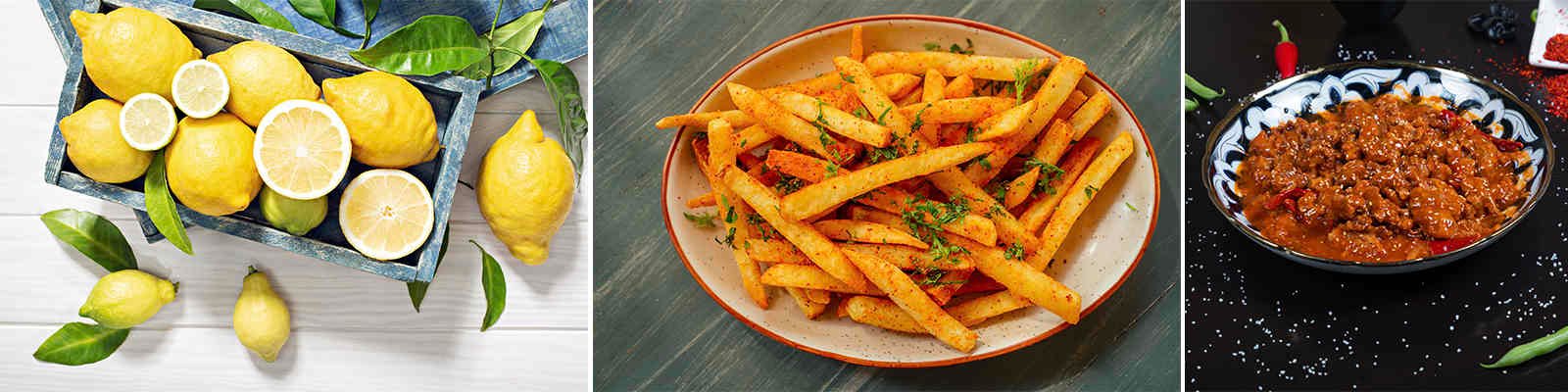


Your diet plays an important role in your health, including preventing disease, illness, and infections.
Urinary tract infections (UTI) cause over 8 million visits to a healthcare provider’s office annually.
About 10 in 25 women and 3 in 25 men will experience a UTI in their lifetime.
If you’ve had a UTI, you know how uncomfortable they can be.
If you haven’t had one yet, you probably want to keep it that way.
How can your diet influence your UTI risk? We’ll cover that and more in this article.
Keep reading to learn which foods you should avoid, and what foods to include in a UTI diet.
What is a Urinary Tract Infection (UTI)?
A urinary tract infection (UTI) occurs when bacteria enter your urethra (a tube that carries urine from your bladder out of your body) and cause an infection in your urinary tract. Bacteria cause most UTIs, but rarely they can result from a fungus. UTIs are also called bladder infections.
UTIs can impact both men and women but are more prevalent in women. About 50% of women are likely to have a UTI at some point in their lifetime. One of the main reasons women are more likely to get a UTI is because their urethra is shorter than a man’s, which means bacteria don’t have to travel as far to reach the bladder and urinary tract system.
Urinary tract infections are especially problematic during pregnancy and can lead to preterm delivery. They are also more common in menopausal women because a drop in estrogen can trigger UTIs.
If a UTI goes untreated, it can spread to your kidneys and cause a kidney infection, which is why UTI prevention and prompt treatment are so important.
Some of the symptoms of a UTI include:
- Frequent urination
- Burning or pain when passing urine
- Fever
- Urine that looks dark, cloudy, or reddish (blood may be present in the urine)
- Foul-smelling urine
- Pain when not urinating
- Tiredness
- Pain in your back or side below your ribs
- Nausea and/or vomiting
- Only a small amount of urine despite a strong urge to urinate
- In women, pressure above the pubic bone
[bensnaturalhealthIinlineLeadGen id =”1″ event=”Bladder Diary Download” image=”https://blog.bensnaturalhealth.com/wp-content/uploads/2022/05/bladder-diary.png” title=”Get your FREE bladder diary” content=”##Daily bladder diary ##Better understand your urinary symptoms ##Step-by-step guide”]
Can your diet prevent or treat a UTI?
Like many health conditions, your diet can greatly affect UTI prevention and treatment. While you might not be able to completely prevent a UTI through diet alone, you shouldn’t overlook the importance of your diet when it comes to UTI risk.
Certain foods can irritate your bladder lining, which can worsen the uncomfortable symptoms of a UTI. Other foods may help prevent UTIs by fighting off bacteria that cause infections.
Some UTIs can be treated at home (resting, drinking plenty of fluids, eating a healthy diet, etc.), but some will require antibiotics. If you’re still experiencing symptoms of a UTI after several days, you should seek medical attention to see if you need antibiotics.
Untreated UTIs can lead to kidney infections and more serious issues, so it’s important not to delay medical treatment if necessary.
Foods to avoid with a UTI
1) Acidic foods
While some acidic foods may help prevent UTIs due to their vitamin C content, you might want to avoid them if you have an active UTI. Acidic foods can irritate the lining of your bladder, especially if it’s already irritated from an active infection.
Some examples of acidic foods include:
- Citrus fruits
- Tomatoes
- Blueberries
- Plums
- Peaches
2) Spicy foods
Like acidic foods, eating spicy foods may irritate your bladder lining and intensify discomfort. Avoid eating spicy peppers like jalapenos, as well as black and cayenne pepper.
Eating spicy foods is fine if you’re not currently experiencing a UTI. Spicy foods may help with weight loss, combat inflammation, and improve your longevity, so there’s no need to be afraid of them outside of an active urinary tract infection.
3) Caffeine
Caffeine is a diuretic, which means it makes you urinate more. You should avoid caffeine during a UTI because it might increase the prevalence of symptoms such as burning during urination.
Caffeine may also worsen dehydration, which can exacerbate symptoms like burning while urinating.
4) Sugary foods and drinks
While sugar doesn’t necessarily cause urinary tract infections, it can feed the bacteria that are present during an active infection. While there isn’t significant research on the topic, it’s never a bad idea to cut back on added sugar.
If you have an active UTI, avoid drinking sugary drinks and foods with added sugar like cookies and desserts and processed foods with added sugar.
5) Alcohol
Drinking alcohol doesn’t increase your risk of a UTI, but it can further irritate your bladder during an active infection. Similar to caffeine, alcohol causes you to urinate more, which may increase the intensity and frequency of UTI symptoms.
Conclusion
For an active UTI, avoid acidic and spicy foods and added sugars, caffeine, and alcohol. To help prevent UTIs, some things that might help when it comes to your diet include drinking berry juices, eating probiotics, getting enough vitamin C, and staying hydrated.
Explore More

This article is for informational purposes only and does not serve as medical advice. The details provided here are not a replacement for, and should never be depended upon as, professional medical advice. Always consult your physician regarding the potential risks and benefits of any treatment.
Our Medical Review Process
At Ben’s Natural Health, we are committed to maintaining the highest standards of accuracy, transparency, and scientific integrity. Every piece of content is carefully developed by medical professionals and undergoes a thorough review every 12 to 24 months. This ensures that our information remains current, reliable, and rooted in credible, evidence-based research. We reference only peer-reviewed studies from reputable medical journals, providing full citations and direct links to enhance trust and confidence.
Our Editorial Guidelines
For over 25 years, Ben’s Natural Health has been a trusted source of scientifically backed, reliable health information. Our editorial guidelines uphold the highest quality and integrity for every article we publish. Each piece is written by qualified experts and undergoes independent quality checks. We prioritize transparency by clearly displaying contributor credentials and biographies at the beginning of every article.
Medical Disclaimer
The content on this blog is for informational purposes only and should not be considered a substitute for professional medical advice, diagnosis, or treatment. While our articles are authored and reviewed by licensed medical professionals, they may not address your specific health concerns. Always consult a qualified healthcare provider before making any medical decisions.
Article Sources
- Kontiokari T, Nuutinen M, Uhari M. Dietary factors affecting susceptibility to urinary tract infection. Pediatr Nephrol. 2004. https://pubmed.ncbi.nlm.nih.gov/14986090/
- Griffiths P. The role of cranberry juice in the treatment of urinary tract infections. Br J Community Nurs. 2003. https://pubmed.ncbi.nlm.nih.gov/14688663/
- Falagas ME, Betsi GI, Tokas T, Athanasiou S. Probiotics for prevention of recurrent urinary tract infections in women: a review of the evidence from microbiological and clinical studies. Drugs. 2006. https://pubmed.ncbi.nlm.nih.gov/16827601/
- Montorsi F, Gandaglia G, Salonia A, Briganti A, Mirone V. Effectiveness of a Combination of Cranberries, Lactobacillus rhamnosus, and Vitamin C for the Management of Recurrent Urinary Tract Infections in Women: Results of a Pilot Study. Eur Urol. 2016. https://pubmed.ncbi.nlm.nih.gov/27283213/
- Mansour A, Hariri E, Shelh S, Irani R, Mroueh M. Efficient and cost-effective alternative treatment for recurrent urinary tract infections and interstitial cystitis in women: a two-case report. Case Rep Med. 2014. https://www.ncbi.nlm.nih.gov/pmc/articles/PMC4283390/
- Shen AL, Lin HL, Lin HC, Tseng YF, Hsu CY, Chou CY. Urinary tract infection is associated with hypokalemia: a case control study. BMC Urol. 2020. https://pubmed.ncbi.nlm.nih.gov/32690002/
Article Update History
Updated on 12 June, 2025 (Current Version)
Created on 16 July, 2022
Explore More

Candida Diet: Foods To Eat and Avoid With A Yeast Infection
A yeast infection occurs when the yeast (fungus) Candida albicans becomes overgrown, which leads to uncomfortable symptoms like genital itching, burning while peeing or ...