Ozempic Drug Interactions: Medications That React To Semaglutide
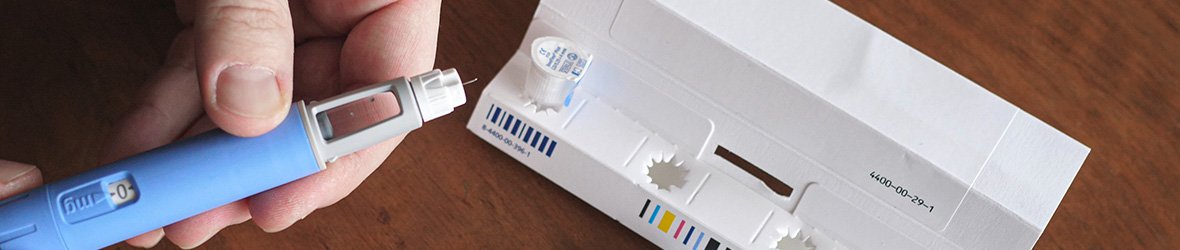


Ozempic is a medication used with diet and exercise to control blood sugar levels in individuals with type 2 diabetes.
When one substance causes another to have an unexpected impact on another, this is known as a drug interaction.
Continue reading to learn about drug and medication interactions with Ozempic (Semaglutide).
Drugs That Interact With Ozempic (Semaglutide)
Certain medications, vitamins, and alcohol may interact with ozempic.
1) Medications That Decrease Blood Sugar
When Ozempic is used with other medications that decrease blood sugar, you may experience a blood sugar drop.
This includes the following medications:
- Insulin
- Sulfonylureas
Low blood sugar symptoms include headaches, dizziness, nausea, disorientation, sweating, and shakiness.
Your doctor may change your dosage of Ozempic or other medications, suggest frequent blood sugar checks, or advise you always to have a supply of glucose to avoid low blood sugar.
2) Other Drugs That Impact Your Blood Glucose
Other drugs that can affect your blood glucose level control include:
- Birth control pills: used to prevent pregnancy.
- Goserelin: used to prevent the synthesis of sex hormones like estrogen and testosterone.
- Ethacrynic acid, Furosemide, and Indapamide: diuretics which increase your urine production to remove salt and water from your body.
- Dobutamine, Dopamine, and Epinephrine: increase your blood flow by assisting your heart muscle in pumping efficiently.
- Darunavir: used in the treatment of HIV/AIDS.
- Daclatasvir: used to treat hepatitis C virus.
- Chlorotrianisene, Diethylstilbestrol, and Drospirenone: used to treat prostate cancer and menopausal symptoms.
- Ceritinib: used to treat lung cancer.
- Cariprazine, Chlorpromazine, Clozapine, Fluphenazine, Iloperidone, and Ziprasidone: used to treat psychiatric diseases such as schizophrenia.
- Corticosteroid such as Deflazacort, Hydrocortisone, Dexamethasone, and Cortisone.
- Benzphetamine, Dexfenfluramine, Diethylpropion, Benzthiazide, and Fenfluramine: used to lose weight.
- Bendroflumethiazide, Chlorothiazide, Chlorthalidone, and Diazoxide: used to treat high blood pressure.
- Albuterol, Formoterol, Indacaterol, and Salmeterol: used to treat chest diseases such as asthma.
- Gatifloxacin, Ciprofloxacin, Cinoxacin, Clarithromycin, Delafloxacin, Gemifloxacin, Enoxacin, Ofloxacin, and Isoniazid: antibiotics used to treat bacterial infections.
[bensnaturalhealthIinlineLeadGen id =”1″ event=”15 Food Blood Sugar eBook Download” image=”https://blog.bensnaturalhealth.com/wp-content/uploads/2024/02/Diabetes-Blood-Sugar-cover.png” title=”Sign Up For Our Newsletter!” content=”##Receive 10% off our best-selling supplements ##Get Your FREE Diabetes Diet Plan ##Be the first to hear about sales and promotions ## Stay up to date on our latest health news”]
3) Chromium supplements
Semaglutide and the mineral chromium included in some supplements may interact together.
Chromium may interact with Ozempic, potentially affecting blood sugar levels. Inform your doctor if you take chromium supplements, and they can adjust your dosage as needed.
4) Alcohol
Alcohol drinking with Ozempic can change your blood sugar levels and make it more difficult to control.
It is recommended not to drink while taking this medication.
Conclusion
Ozempic medication usage has several drug and medication interactions.
While there are potential interactions between Ozempic and certain medications, it does not necessarily mean they should never be used together.
Your doctor will assess and adjust dosages accordingly
Consult your physician before using Ozempic. They may guide you on handling and monitoring your health while receiving Ozempic therapy.
Inform your doctor whether you use cannabis, alcohol, any drugs, vitamins, herbs, and supplements.
Explore More

This article is for informational purposes only and does not serve as medical advice. The details provided here are not a replacement for, and should never be depended upon as, professional medical advice. Always consult your physician regarding the potential risks and benefits of any treatment.
Our Medical Review Process
At Ben’s Natural Health, we are committed to maintaining the highest standards of accuracy, transparency, and scientific integrity. Every piece of content is carefully developed by medical professionals and undergoes a thorough review every 12 to 24 months. This ensures that our information remains current, reliable, and rooted in credible, evidence-based research. We reference only peer-reviewed studies from reputable medical journals, providing full citations and direct links to enhance trust and confidence.
Our Editorial Guidelines
For over 25 years, Ben’s Natural Health has been a trusted source of scientifically backed, reliable health information. Our editorial guidelines uphold the highest quality and integrity for every article we publish. Each piece is written by qualified experts and undergoes independent quality checks. We prioritize transparency by clearly displaying contributor credentials and biographies at the beginning of every article.
Medical Disclaimer
The content on this blog is for informational purposes only and should not be considered a substitute for professional medical advice, diagnosis, or treatment. While our articles are authored and reviewed by licensed medical professionals, they may not address your specific health concerns. Always consult a qualified healthcare provider before making any medical decisions.
Article Sources
- Smits, M.M. and Van Raalte, D.H. (2021) ‘Safety of semaglutide,’ Frontiers in Endocrinology, 12.
- Korsatko, S., Jensen, L., Brunner, M., Tarp, M. D., Holst, A. G., Heller, S. R., & Pieber, T. R. (2018). Effect of once‐weekly semaglutide on the counterregulatory response to hypoglycaemia in people with type 2 diabetes: A randomized, placebo‐controlled, double‐blind, crossover trial. Diabetes, Obesity & Metabolism, 20(11), 2565-2573.
- Ozempic Drug Interactions Checker. Drugs.com
- Zinman, B. et al. (2019) ‘Efficacy, safety, and tolerability of oral semaglutide versus placebo added to insulin with or without metformin in patients with Type 2 diabetes: the PIONEER 8 trial,’ Diabetes Care, 42(12), pp. 2262–2271.
- Winzeler, B. et al. (2020) ‘Effects of glucagon-like peptide-1 receptor agonists on fluid intake in healthy volunteers,’ Endocrine, 70(2), pp. 292–298.
Article Update History
Updated on 5 April, 2026 (Current Version)
Created on 27 December, 2023
Explore More

Insulin Overdose: What To Do If You Take Too Much Insulin
Insulin is a vital hormone used to regulate blood sugar (glucose) in the body; however, taking too much insulin can be dangerous. Insulin is ...