5 Cancer-Fighting Ingredients You Should Put In Your Morning Smoothie
Article Summary
- The American Cancer Society has estimated that there will be 1,735,350 new cancer cases diagnosed and 609,640 cancer deaths in the United States.
- Bearing that it in mind, we should highlight the link between cancer and diet.
- When you have a busy day, remembering to have your 5 a day can be tough.
- One tasty and convenient way is by making a smoothie.
You may be familiar with the saying ‘you are what you eat’ and although some may regard this as a figure of speech, it is very much true.
What you put into your body has a profound effect on your health. Therefore, good nutrition is important and could even one day save your life.
The American Cancer Society has estimated that there will be 1,735,350 new cancer cases diagnosed and 609,640 cancer deaths in the United States. Bearing that it in mind, we should highlight the link between cancer and diet.
Research has suggested that factors such as your diet and lifestyle can reduce your risk of developing cancer.
Studies suggest that maintaining a diet rich in fruits and vegetables may contribute to overall well-being.
When you have a busy day, remembering to have your 5 a day can be tough. One tasty and convenient way is by making a smoothie.
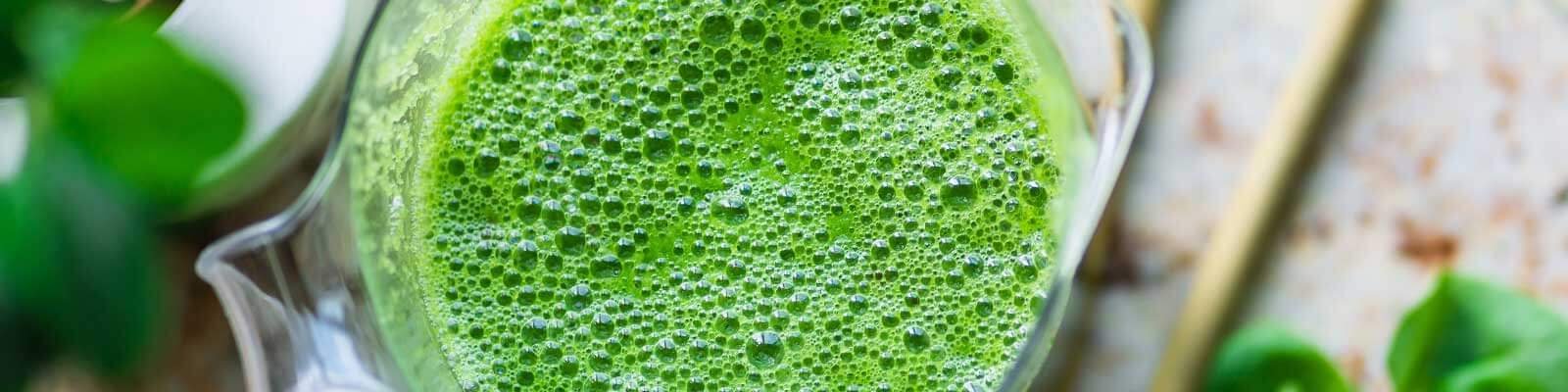
Smoothies are very much on trend these days; packed full of fresh fruit and vegetables. To give yourself a health kick, add these 5 Cancer-Fighting ingredients to your morning smoothie!
Turmeric
Fresh, raw turmeric is an anti-inflammatory agent and reduces the effects of COX-2, which helps reduce the rates of cancer spread throughout the body.
Curcumin, found in turmeric, is being researched for its potential role in cancer prevention.
Turmeric is also being studied for its potential impact on cancer stem cells, although more research is needed for conclusive evidence.
Green Tea Extract
Green tea leaves contain compounds like EGCG and antioxidants, which are being studied for their potential effects on inhibiting cancer cell growth.
EGCG prevents the formation and growth of new blood vessels to form and grow in tumors. Because of this, EGCG prevents cancer cells from growing rapidly and spreading to other location of the body.
Kale
Kale is rich in fiber, which may support digestive health. It is high in antioxidants, which remove free radicals from the body and helps to absorb iron and promote heart health.
Glucosinolates are also abundant in kale – when glucosinolates are broken down by the body, they stimulate cell deaths in tumors.
Kale contains compounds that may have antibacterial and antiviral properties, with potential benefits in cellular health.
Avocado
Avocado boats a range of health benefits and is antioxidant and anti-inflammatory. It is known for its antioxidant and anti-inflammatory properties, potentially aiding in gastrointestinal comfort.
The seed of avocado contains flavonol, an antioxidant being researched for its potential impact on tumor growth.
Berries
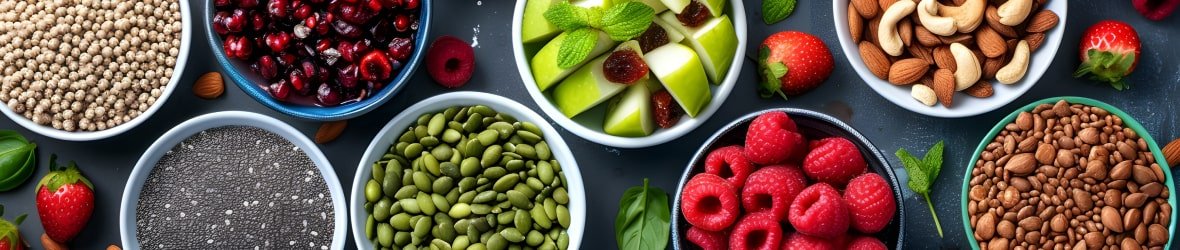
Berries are one of the highest sources of antioxidant in the world. Blueberries, raspberries, cherries, strawberries, goji berries, camu camu, and blackberries are common and utilized in various sorts of recipes which is great considering they are a great source of vitamin C, A, and gallic acid – a powerful antifungal or antiviral agent to increase immunity.
Berries are rich in proanthocyanidin antioxidants which have anti-aging properties and are known to lessen free radical damage.
Mulberry, camu camu and goji berries have been used as a traditional Chinese medicine to increase energy and immunity.
[bensnaturalhealthIinlineLeadGen id =”1″ event=”Eye Health Diet Plan Download” image=”https://blog.bensnaturalhealth.com/wp-content/uploads/2021/08/Eye-Heath-Ipad-1.png” title=”Get Your FREE Eye Health Diet Plan” content=”##Nine most important vitamins for eye health ##How to naturally protect and improve your eye health as you age ##Developed exclusively by our medical doctor”]
Conclusion
You can’t go wrong with these cancer-fighting ingredients, so why not try adding them to your breakfast smoothies and start your day with a health kick.
This article is for informational purposes only and does not serve as medical advice. The details provided here are not a replacement for, and should never be depended upon as, professional medical advice. Always consult your physician regarding the potential risks and benefits of any treatment.
Our Medical Review Process
At Ben’s Natural Health, we are committed to maintaining the highest standards of accuracy, transparency, and scientific integrity. Every piece of content is carefully developed by medical professionals and undergoes a thorough review every 12 to 24 months. This ensures that our information remains current, reliable, and rooted in credible, evidence-based research. We reference only peer-reviewed studies from reputable medical journals, providing full citations and direct links to enhance trust and confidence.
Our Editorial Guidelines
For over 25 years, Ben’s Natural Health has been a trusted source of scientifically backed, reliable health information. Our editorial guidelines uphold the highest quality and integrity for every article we publish. Each piece is written by qualified experts and undergoes independent quality checks. We prioritize transparency by clearly displaying contributor credentials and biographies at the beginning of every article.
Medical Disclaimer
The content on this blog is for informational purposes only and should not be considered a substitute for professional medical advice, diagnosis, or treatment. While our articles are authored and reviewed by licensed medical professionals, they may not address your specific health concerns. Always consult a qualified healthcare provider before making any medical decisions.
Article Sources
- Wilken R, Veena MS, Wang MB, Srivatsan ES. Curcumin: A review of anti-cancer properties and therapeutic activity in head and neck squamous cell carcinoma. Mol Cancer. 2011;10:12. Published 2011 Feb 7. doi:10.1186/1476-4598-10-12
- Aune, D, Giovannucci, E, Boffetta, P, Fadnes, L, Keum, N, et al. Fruit and vegetable intake and the risk of cardiovascular disease, total cancer and all-cause mortality—a systematic review and dose-response meta-analysis of prospective studies, International Journal of Epidemiology, Volume 46, Issue 3, June 2017, p1029–1056, https://doi.org/10.1093/ije/dyw319
- Naglea, D, Ferreira, D, Zhou, Y. (2006). Epigallocatechin-3-gallate (EGCG): Chemical and biomedical perspectives. Phytochemistry. 67 (17), p1849-1855.
Article Update History
Updated on 5 April, 2026 (Current Version)
Created on 29 May, 2019
Explore More
Blue Zones Diet: Foods To Eat and Avoid For A Longer Life
You might have heard about the Blue Zones Diet before, but do you know where it came from and what foods it involves? The ...