Benefits of Cinnamon For The Prostate


Article Summary
- Studies reveal that cinnamon has great potential to prevent the progression of chronic prostatitis and benign prostatic hyperplasia (BPH).
- It has also been shown to reduce the risk of cardiovascular diseases, improve blood sugar levels and insulin sensitivity, reduce bacterial and fungal infections, and prevent neurodegenerative disorders.
An individual’s dietary, exercise, and lifestyle habits have a lot to do with their prostate health.
Healthy habits can drastically lower the risk of developing prostate disease.
The prostate gland is susceptible to three major conditions: prostate cancer, benign prostatic hyperplasia (BPH), and prostatitis.
If you have been diagnosed with a prostate disorder, you might want to know what you can do to prevent the condition from becoming more serious.
Research has revealed that prostate-related issues can be halted by adding natural ingredients like cinnamon to your diet.
Read on to find more about what cinnamon can do for prostate health.
What Is Cinnamon?
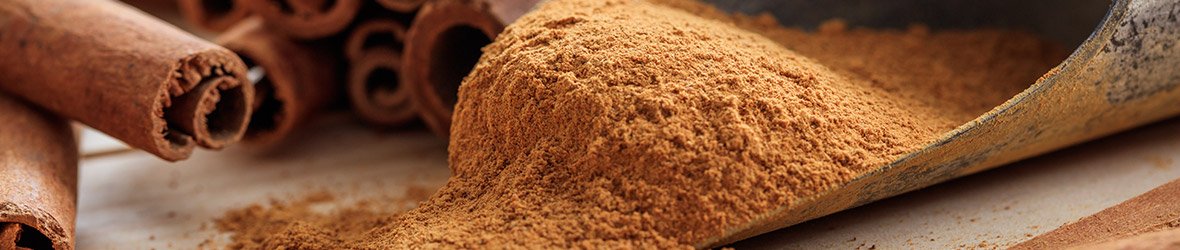
Cinnamon is one of the healthiest spices with numerous therapeutic uses in the herbal medicine space. It originates from the bark of evergreen trees belonging to the Cinnamomum genus. Cinnamon is used in the form of powder, essential oil, and as a supplement.
According to the U.S. Department of Agriculture (USDA), the nutritional profile of one teaspoon (2.6 g) of ground cinnamon is the following:
- Energy: 6.42 calories
- Protein: 0 grams
- Carbohydrates: 2 g
- Calcium: 26 mg
- Vitamin A: 0.39 micrograms
- Potassium: 11.2 mg
- Magnesium: 1.56 mg
- Phosphorus: 2 mg
Cinnamon exhibits extraordinary anti-inflammatory, antioxidant, and antimicrobial properties that play a key role in protecting the body from various diseases such as cancer. Studies have concluded that cinnamon is an essential spice for prostate health and can help men with prostate cancer or BPH.
Can Cinnamon Help Your Prostate Health?
Cinnamon has been shown to prevent the progression and frustrating symptoms of prostate health issues like BPH and prostate cancer. Let’s look at research studies with proven benefits of cinnamon for prostate health.
Cinnamon As A Therapeutic Approach For BPH
Benign prostatic hyperplasia (BPH), commonly known as enlarged prostate, causes many urinary and sexual difficulties in aging men.
One study reported that Cinnamomi cortex, a drug produced from the dried bark of Cinnamomum Verum, was proven to reduce prostate size.
This study investigated the effect of water extract of the Cinnamomi cortex on BPH. The results revealed that cinnamon reduced prostate size and decreased protein levels (5AR-2, PSA) back to normal. The drug also regulated 5AR levels to inhibit cell proliferation without causing any side effects [2].
Cinnamon For Prostate Cancer
Prostate cancer is the most common cancer occurring in men that develops slowly by the malignant growth of cancerous cells in the prostate gland. Prostate cancer results in symptoms like having a weak flow of urine, a sudden urge to rush to the bathroom, and needing to urinate more.
One study reported that procyanidin-B2 (PCB2) suppressed prostate cancer cell growth and inhibited the catalytic activities of the proteasome in prostate cancer cells. The results revealed that the cinnamon extract and its PCB2-enriched fraction acted as proteasome inhibitors and anticancer agents that could help stop the progression of prostate cancer [3].
Another study found that cinnamon contains abundant monophenols, such as eugenol, cinnamic acid, and cinnamaldehyde that act as anticancer agents.
These monophenols, extracted from cinnamon, induced apoptosis and suppressed the proteasome catalytic activities in prostate cancer cells, leading to the death of prostate cancer cell growths [4].
Use Of Cinnamon For Patients With Chronic Prostatitis
Inflammation and swelling of the prostate gland is prostatitis, which can be distressing and painful. When the inflammation continues for three months or longer, it is known as chronic prostatitis that affects your ability to urinate and sexual function.
One study looked at the effects of cinnamon on patients with chronic prostatitis. The study involved sixty patients with chronic prostatitis divided into two groups.
One group received 1g of cinnamon in the form of 60 capsules, and the placebo group received 60 capsules of 1g of sugar for one month.
The results revealed improvements in symptoms related to chronic prostatitis in the group receiving cinnamon [5].
[bensnaturalhealthIinlineLeadGen id =”1″]
Other Health Benefits Of Cinnamon
Besides improving prostate health, cinnamon is also known for many other health benefits.
1. Reduced Risk Of Cardiovascular Diseases
Cinnamon has been reported to reduce the risk of heart disease and stroke. According to a study, cinnamon reduced LDL cholesterol and triglycerides levels while keeping HDL cholesterol stable. Cinnamon is also known to reduce chronic high blood pressure [6].
2. Improved Sensitivity To Insulin
Insulin resistance is a hallmark for many conditions, like type 2 diabetes and metabolic syndrome.
Cinnamon has shown great potential in reducing insulin resistance and improving insulin sensitivity, leading to improved blood sugar levels [7].
3. Improved Blood Sugar Levels
The cinnamon’s blood sugar-lowering properties make it an anti-diabetic agent because it reduces the amount of glucose entering the bloodstream. Cinnamon also interferes with several digestive enzymes and slows down the breakdown of carbohydrates.
Studies show that 1-6 grams of cinnamon reduce fasting blood sugar levels by 10-29% [8].
4. No Bacterial And Fungal Infections
Cinnamon contains an active compound called cinnamaldehyde that may prevent various bacterial infections.
One study found that cinnamon essential oil inhibited the growth of certain bacteria, like Salmonella and Listeria. It also treated infections of the respiratory tract caused by fungi [9].
5. Improved Symptoms Of Alzheimer’s Disease And Parkinson’s Disease
Certain neurodegenerative disorders, such as Alzheimer’s disease, cause a gradual loss of structure and function of the brain.
One study found that certain compounds in cinnamon improved symptoms of Alzheimer’s disease by inhibiting the build-up of tau protein in the brain [10].
Another study revealed that consumption of cinnamon was associated with improved motor function, normalized neurotransmitter levels, and protected nerves in Parkinson’s disease [11].
6. Protection Against HIV
One study was conducted to test the effects of extracts of Indian medicinal plants in the laboratory for studying HIV-infected cells. It was found that cinnamon bark, or Cinnamomum cassia, reduced HIV activity [12].
Cinnamon extracted from Cassia varieties has been shown to have anti-HIV activity against the most common strain of HIV in humans (HIV-1). However, more research is needed for further confirmation [13].
Conclusion
Cinnamon is a sweet but pungent spice obtained from the bark of cinnamon trees belonging to the Cinnamomum genus. There are two common forms of cinnamon with countless health-promoting properties: Ceylon and cassia.
Besides adding flavor to sweet and savory dishes, cinnamon has great potential to prevent the progression of prostate cancer, chronic prostatitis, and benign prostatic hyperplasia (BPH), the management of which is essential for overall wellbeing.
Cinnamon has also been shown to reduce the risk of cardiovascular diseases, improve blood sugar levels and insulin sensitivity, reduce bacterial and fungal infections, and prevent neurodegenerative disorders like Parkinson’s disease and Alzheimer’s disease.
Explore More
How To Protect Your Prostate From BPH, Prostatitis, and Prostate Cancer.
This article is for informational purposes only and does not serve as medical advice. The details provided here are not a replacement for, and should never be depended upon as, professional medical advice. Always consult your physician regarding the potential risks and benefits of any treatment.
Our Medical Review Process
At Ben’s Natural Health, we are committed to maintaining the highest standards of accuracy, transparency, and scientific integrity. Every piece of content is carefully developed by medical professionals and undergoes a thorough review every 12 to 24 months. This ensures that our information remains current, reliable, and rooted in credible, evidence-based research. We reference only peer-reviewed studies from reputable medical journals, providing full citations and direct links to enhance trust and confidence.
Our Editorial Guidelines
For over 25 years, Ben’s Natural Health has been a trusted source of scientifically backed, reliable health information. Our editorial guidelines uphold the highest quality and integrity for every article we publish. Each piece is written by qualified experts and undergoes independent quality checks. We prioritize transparency by clearly displaying contributor credentials and biographies at the beginning of every article.
Medical Disclaimer
The content on this blog is for informational purposes only and should not be considered a substitute for professional medical advice, diagnosis, or treatment. While our articles are authored and reviewed by licensed medical professionals, they may not address your specific health concerns. Always consult a qualified healthcare provider before making any medical decisions.
Article Sources
- Chen P, Sun J, Ford P. Differentiation of the four major species of cinnamons (C. burmannii, C. verum, C. cassia, and C. loureiroi) using a flow injection mass spectrometric (FIMS) fingerprinting method. J Agric Food Chem 2014;62:2516–21. https://www.ncbi.nlm.nih.gov/pmc/articles/PMC3983393/
- Choi H-M, Jung Y, Park J, Kim H-L, Youn D-H, Kang J, et al. Cinnamomi Cortex (Cinnamomum verum) Suppresses Testosterone-induced Benign Prostatic Hyperplasia by Regulating 5α-reductase. Sci Rep 2016;6:31906. https://www.ncbi.nlm.nih.gov/pmc/articles/PMC4994048/
- Gopalakrishnan S, Ediga HH, Reddy SS, Reddy GB, Ismail A. Procyanidin-B2 enriched fraction of cinnamon acts as a proteasome inhibitor and anti-proliferative agent in human prostate cancer cells. IUBMB Life 2018;70:445–57. https://iubmb.onlinelibrary.wiley.com/doi/10.1002/iub.1735
- Gopalakrishnan S, Ismail A. Aromatic monophenols from cinnamon bark act as proteasome inhibitors by upregulating ER stress, suppressing FoxM1 expression, and inducing apoptosis in prostate cancer cells. Phyther Res 2021;35:5781–94. https://onlinelibrary.wiley.com/doi/abs/10.1002/ptr.7236
- Kamber HM, Al-Marzooq TJM, Hussein MA, Hassan QA, Marzouq AA. The use of Cinnamon (Cinnamomum Bark) for Patients with Chronic Prostatitis/Chronic Pelvic Pain Syndrome: A Randomized Controlled Trial. Open Access Maced J Med Sci 2020;8:439–45. https://oamjms.eu/index.php/mjms/article/view/3311
- Khan A, Safdar M, Ali Khan MM, Khattak KN, Anderson RA. Cinnamon Improves Glucose and Lipids of People with Type 2 Diabetes. Diabetes Care 2003;26:3215–8. https://pubmed.ncbi.nlm.nih.gov/14633804/
- Anderson RA. Chromium and polyphenols from cinnamon improve insulin sensitivity: Plenary Lecture. Proc Nutr Soc 2008;67:48–53. https://pubmed.ncbi.nlm.nih.gov/18234131/
- [Kirkham S, Akilen R, Sharma S, Tsiami A. The potential of cinnamon to reduce blood glucose levels in patients with type 2 diabetes and insulin resistance. Diabetes, Obes Metab 2009;11:1100–13. https://pubmed.ncbi.nlm.nih.gov/19930003/
- Singh HB, Srivastava M, Singh AB, Srivastava AK. Cinnamon bark oil, a potent fungitoxicant against fungi causing respiratory tract mycoses. Allergy 1995;50:995–9. https://pubmed.ncbi.nlm.nih.gov/8834832/
- Peterson DW, George RC, Scaramozzino F, LaPointe NE, Anderson RA, Graves DJ, et al. Cinnamon Extract Inhibits Tau Aggregation Associated with Alzheimer’s Disease In Vitro. J Alzheimer’s Dis 2009;17:585–97.https://pubmed.ncbi.nlm.nih.gov/19433898/
- Khasnavis S, Pahan K. Cinnamon treatment upregulates neuroprotective proteins Parkin and DJ-1 and protects dopaminergic neurons in a mouse model of Parkinson’s disease. J Neuroimmune Pharmacol 2014;9:569–81. https://www.ncbi.nlm.nih.gov/pmc/articles/PMC4167597/
- M Premanathan, S Rajendran, T Ramanathan, K Kathiresan, H Nakashima NY. A survey of some Indian medicinal plants for anti-human immunodeficiency virus (HIV) activity. Indian J Med Res 2000;112:73–7. https://pubmed.ncbi.nlm.nih.gov/11094851/
- Ribeiro Filho J, de Sousa Falcao H, Maria Batista L, Maria Barbosa Filho J, Regina Piuvezam M. Effects of Plant Extracts on HIV-1 Protease. Curr HIV Res 2010;8:531–44. https://pubmed.ncbi.nlm.nih.gov/20946094/
Article Update History
Updated on 11 July, 2022 (Current Version)
Created on 7 December, 2021
Explore More

Candida Diet: Foods To Eat and Avoid With A Yeast Infection
A yeast infection occurs when the yeast (fungus) Candida albicans becomes overgrown, which leads to uncomfortable symptoms like genital itching, burning while peeing or ...