Can Organic Foods Help Your Prostate Health?


Article Summary
- Differences in lifestyle and diet can account for the variability in cancer rates in various countries.
- Adequate nutrition could decrease prostate cancer risk, prevent its aggressive development, and slow the progression.
- Although food can’t replace regular cancer treatment, it can be used as a viable preventive strategy for boosting the quality of life.
In the past 30 years, obesity rates have skyrocketed. Poor diet choices are among the main contributors to obesity, cancer, heart disease, and more.
Poor nutrition is such a serious issue that it contributes to around 678,000 deaths every year across the U.S.
Differences in lifestyle and diet can account for the variability in cancer rates in various countries.
While adequate nutrition could decrease prostate cancer risk, prevent its aggressive development, and slow the progression.
Here we will take a look at the impact and benefits of organic food on prostate health, how it can affect the body and boost the quality of life.
[bensnaturalhealthIinlineLeadGen id =”1″ list_name=”funnel_a2_aatp”]
Can Eating Organic Foods Help the Prostate?
Powerful sex hormones, like testosterone, control the prostate gland. In the gland, testosterone is converted into a different hormone known as DHT (dihydrotestosterone). The higher the DHT levels, the bigger the odds for an enlarged prostate.
Many people are unaware of the sheer value of better nutrition. The truth is, your food has a drastic impact on your prostate and overall health. By adding a focus on eating organic, prostate-friendly foods, you could decrease the risk of prostate complications and prostate cancer.
Although experts are not sure about the exact effect of a healthy diet on prostate health, many theories can prove its benefits. The first thing you need to do is replace conventional food with nutritious and organic meals.
Specific foods and drinks can have a positive impact on prostate health. As well as the sex hormones. Whereas if you eat a diet high in dairy products and red meat, you elevate the risk of prostate enlargement. When the body is deprived of nutrients, it can throw the system off balance.
How Can Natural Food Help With Cancer Risk?
Men with extremely high levels of a growth hormone in their blood and “free” testosterone can have a higher cancer risk. Their prostate health tends to decline because of the growth hormones, explained the National Cancer Research Institute.
The major drawback to non-organic food is that you are eating extreme amounts of hormones, antibiotics, and pesticides with every meal. Some pesticide residues have been linked to prostate cancer.
Besides, there more than 160 synthetic pesticides that could be possible cancer triggers. They can result in breast cancer, prostate cancer, leukemia, lymphoma, asthma, and various immune system disorders. The only problem is that effects such as these develop over some time.
According to studies, a healthy dietary pattern is high in vegetables and fruits, low on refined carbohydrates and saturated fat, and uses less cooked meats like red meat or processed meat.
When you pair a healthy diet with physical activity, you can go a long way. Data shows that male patients who dedicate about 1 to 3 hours to walking a week have a 86% lower risk of experiencing an aggressive form of prostate cancer.
You need all the nutrients, vitamins, and minerals you can get from eating organic meals for proper cancer prevention. They can damage the prostate cancer cells and neutralize free radicals. Although food can’t be used as a guaranteed prostate cancer prevention strategy, it can keep the immune system in ideal shape and reduce the likelihood of developing prostate cancer.
Based on Harvard Health, when you pay extra attention to eating cancer-friendly foods, such as antioxidants with potent anti-inflammatory properties, you can maintain good prostate health. But, to really understand the organic food health benefits for the prostate, you need to take a look at each food you can implement.
Foods That Help Prostate Health
A diet packed with cruciferous vegetables, fruits, and healthy fats might be able to protect the prostate.
We compiled a list of some of the most impactful choices of organic food consumption supported by studies.
Here is a quick overview of the food you can add to your diet that’s good for prostate health.
Veggies and Fruits
Veggies, especially cruciferous vegetables, and fruits provide a profound health benefit on the prostate. They contain a considerable amount of inflammation-curbing and cancer-fighting substances. Plus, they have antioxidants, natural fiber, minerals, polyphenols, and vitamins. These are all necessary for the prostate cells and avoiding prostate disease.
Unfortunately, just 1 in 10 American adults are eating enough vegetables and fruits in their diet. With a vegetable like broccoli, you can give your body the nutrients it needs. That’s how you maintain an adequate prostate state and reduce the possibility of cancer.
Green Tea
Green tea has more to offer for the prostate than people realize. Based on a large cohort study of almost 50,000 volunteers, Japanese scientists found that consuming less than 5 cups of green tea daily decreases the risk of experiencing advanced prostate cancer.
Green tea has plenty of strong antioxidants beneficial for a specific prostate problem. They can make a good addition to preventing cancer. Research indicates that this beverage can benefit men with prostatitis and BPH (Benign prostatic hyperplasia). But, it is crucial not to take caffeinated tea sources to amplify these results.
Pumpkin Seed Oil
This seed oil could improve BPH in male patients. According to a randomized trial, the pumpkin seed oil decreased the symptoms of prostate enlargement. It also boosted the quality of life in patients over a three-month period. Even though BPH doesn’t increase people’s cancer risk, the oil can provide necessary nutrients and maintain an adequate prostate state.
Saw Palmetto
Saw palmetto could help the prostate in more ways than one. It is mainly used for soothing urinary prostate symptoms linked to BPH. But it may help with other conditions, such as bladder disorder, poor sex drive, hormone imbalance, and chronic pelvic pain.
The ripe fruit can be used in many forms. You can drink it in tea, as a dried or ground fruit. People also like to add it to their diet in the form of a tablet, extract, or capsule. All of these diet options can help the prostate.
Brazil Nuts
Brazil nuts are a good source of calcium, Vitamin E, and the mineral selenium. Research shows that the interest in using selenium for reducing the cancer risk of prostate cancer remains. But, more research is necessary to confirm whether it can help prevent or fight this cancer. Overall, the nuts are packed with healthy fats and minerals that are beneficial for the prostate. These nuts, for example, are rich in zinc, which plays a crucial role in reproductive health.
Pomegranate Juice
Pomegranates can decrease PSA doubling time and reduce the likelihood of cancer recurrence. Even though it can’t significantly improve the outcome, it can supply the prostate with antioxidant properties and many nutrients that are beneficial for the prostate tissue.
Antioxidants are known for preventing chronic illnesses. The bioactive compounds in pomegranate juice can also inhibit the proliferation of cancer cells, particularly those linked to the prostate. It also has a sufficient amount of vitamin C. In fact, with just a cup of arils, you get 30% of the recommended dietary intake.
Organic Milk
Organic milk is much healthier than regular milk. It has a lower ratio of omega 3 fatty acid and omega 6. Diets with an improper balance of fatty acids can cause inflammation, cancer, and cardiovascular problems. So, maintaining a healthy dose of fatty acids in the system can benefit the prostate. When the system is thrown off balance, it is vital to balance the ratio of fatty acids. Drinking this kind of milk can come in handy.
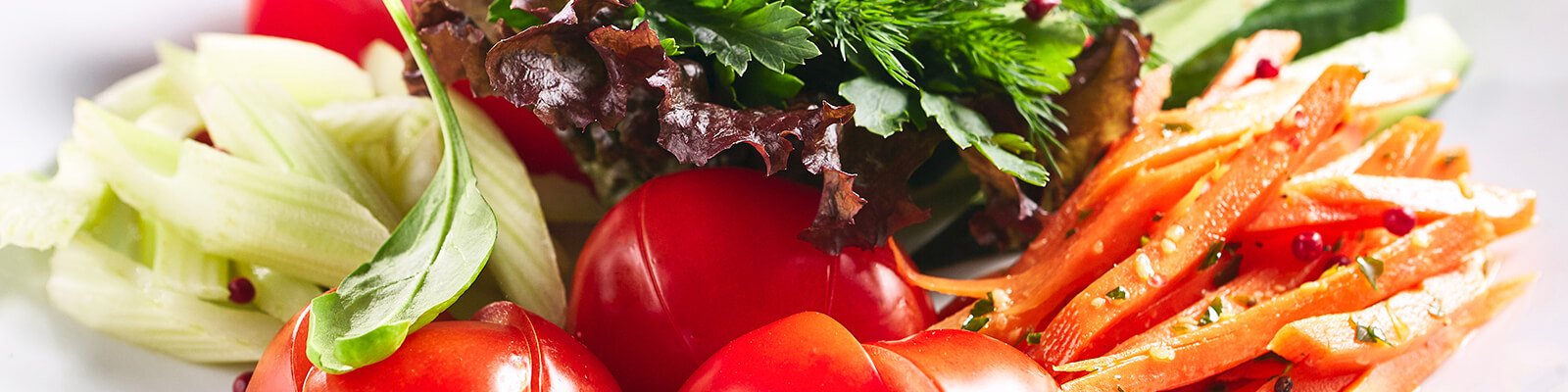
Organic Tomatoes
Tomatoes have plenty of Lycopene. Lycopene is a phytochemical that can attack the free radicals in the system and reduce the cancer risk. In the case of prostate cancer, Lycopene could decrease its possibility of development or cancer aggression.
Lycopene can shield the body from cancer through a series of properties. It lessens the inhibition of cancer cell proliferation and lipid oxidation. But, it can also supply the system with a healthy dose of antioxidants. This is a red-colored carotenoid found in many vegetables and fruits, as well as tomatoes.
Although Lycopene doesn’t have provitamin A activity, it has 11 conjugated and two non-conjugated double bonds, making it very reactive towards free and oxygen radicals. That’s why it may help with prostate cancer.
Conclusion
With better nutrition, it may be possible to reduce the likelihood of prostate cancer.
Although food that’s good for prostate health can’t replace regular cancer treatment, it can be used as a viable preventive strategy for boosting the quality of life. As well as facilitating recovery and enhancing the immune system.
The nutrients you get from the food you eat can help you achieve that.
Explore More
How To Protect Your Prostate From BPH, Prostatitis, and Prostate Cancer.
This article is for informational purposes only and does not serve as medical advice. The details provided here are not a replacement for, and should never be depended upon as, professional medical advice. Always consult your physician regarding the potential risks and benefits of any treatment.
Our Medical Review Process
At Ben’s Natural Health, we are committed to maintaining the highest standards of accuracy, transparency, and scientific integrity. Every piece of content is carefully developed by medical professionals and undergoes a thorough review every 12 to 24 months. This ensures that our information remains current, reliable, and rooted in credible, evidence-based research. We reference only peer-reviewed studies from reputable medical journals, providing full citations and direct links to enhance trust and confidence.
Our Editorial Guidelines
For over 25 years, Ben’s Natural Health has been a trusted source of scientifically backed, reliable health information. Our editorial guidelines uphold the highest quality and integrity for every article we publish. Each piece is written by qualified experts and undergoes independent quality checks. We prioritize transparency by clearly displaying contributor credentials and biographies at the beginning of every article.
Medical Disclaimer
The content on this blog is for informational purposes only and should not be considered a substitute for professional medical advice, diagnosis, or treatment. While our articles are authored and reviewed by licensed medical professionals, they may not address your specific health concerns. Always consult a qualified healthcare provider before making any medical decisions.
Article Sources
- Pao-Hwa Lin. (2015). Nutrition, dietary interventions and prostate cancer: the latest evidence. National Institutes of Health. Retrieved from: https://www.ncbi.nlm.nih.gov/pmc/articles/PMC4286914/
- Larissa A. Pardo. (2020). Pesticide exposure and risk of aggressive prostate cancer among private pesticide applicators. BMC Part of Springer Nature. Retrieved from: https://ehjournal.biomedcentral.com/articles/10.1186/s12940-020-00583-0
- University of California San Diego. Synthetic Pesticides. Retrieved from: http://www.bt.ucsd.edu/synthetic_pesticide.html
- Julia Baudry. (2018). Association of Frequency of Organic Food Consumption With Cancer Risk. National Institutes of Health. Retrieved from: https://www.ncbi.nlm.nih.gov/pmc/articles/PMC6583612/
- Harvard Medical School. (2016). Cancer and diet: What’s the connection. Retrieved from: https://www.health.harvard.edu/cancer/cancer-and-diet-whats-the-connection
- Centers for Disease Control and Prevention. (2015). Division of Nutrition, Physical Activity, and Obesity. Retrieved from: https://www.cdc.gov/nccdphp/dnpao/division-information/media-tools/adults-fruits-vegetables.html
- J.J. Johnson. (2011). Green tea polyphenols for prostate cancer chemoprevention: A translational perspective. National Institutes of Health. Retrieved from: https://www.ncbi.nlm.nih.gov/pmc/articles/PMC2789276/
- Holly L. Nicastro. (2013). Selenium and Prostate Cancer Prevention: Insights from the Selenium and Vitamin E Cancer Prevention Trial (SELECT). National Institutes of Health. Retrieved from: https://www.ncbi.nlm.nih.gov/pmc/articles/PMC3705339/
- Channing J. Paller. (2017). A Review of Pomegranate in Prostate Cancer. National Institutes of Health. Retrieved from: https://www.ncbi.nlm.nih.gov/pmc/articles/PMC5555799/
- Melissa Dahl. (2013). Yep, organic milk really is better for you than regular milk. NBC News. Retrieved from: https://www.nbcnews.com/healthmain/yep-organic-milk-really-better-you-regular-milk-2d11712970
- Kazim Sahin. (2013). Lycopene in Cancer Prevention. Retrieved from: https://link.springer.com/referenceworkentry/10.1007%2F978-3-642-22144-6_164
- National Cancer Research Institute. (2019). High levels of two hormones in the blood raise prostate cancer risk. Retrieved from: https://www.sciencedaily.com/releases/2019/10/191031204628.htm
Article Update History
Updated on 20 June, 2022 (Current Version)
Created on 26 May, 2021
Explore More

Candida Diet: Foods To Eat and Avoid With A Yeast Infection
A yeast infection occurs when the yeast (fungus) Candida albicans becomes overgrown, which leads to uncomfortable symptoms like genital itching, burning while peeing or ...