Managing Angioedema Triggers: Foods To Avoid & What To Eat


Angioedema is swelling below the inner tissues of your skin (dermis).
While it is similar to hives, they are separate conditions.
It occurs when liquid fills the tissue under the skin, causing swelling.
It mostly affects the eyes and lips and typically goes away after one or two days.
Angioedema manifests in various types, each with distinct causes, necessitating precise identification.
These are the most common forms:
- Acute allergic
- Non-allergic drug reaction
- Idiopathic angioedema
- Hereditary angioedema
- Acquired C1 inhibitor deficiency
- Vibratory
No matter the cause, the foods you eat and avoid will play a crucial role in managing angioedema.
Certain foods may trigger angioedema, and others are believed to possess anti-inflammatory properties that could potentially help alleviate symptoms.
If you are suffering from angioedema and are tired of how it’s making you feel, here you’ll find a guide to know the best foods to include in your angioedema diet and which ones to avoid.
Foods To Avoid That Can Trigger Angioedema
1) Common Allergens and Pseudoallergens
First, it’s important to identify the foods that trigger an allergic response. These can include common allergens and pseudoallergens.
Pseudoallergens are additives, flavor enhancers, food colorings, and preservatives.
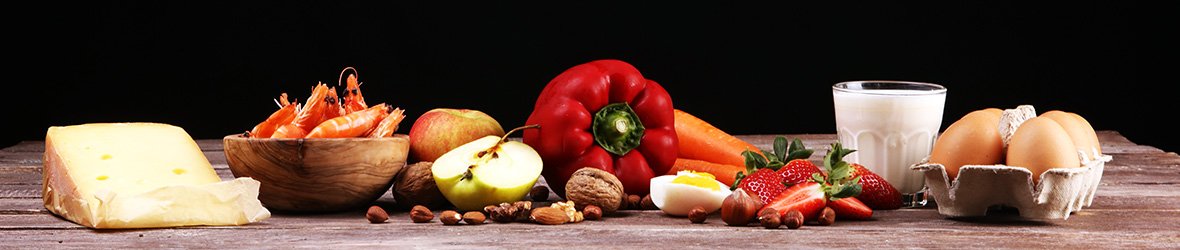
Here is a list of the most common allergens:
- Tree nuts (almonds, walnuts, and cashews)
- Food additives (preservatives, artificial flavors, artificial sweeteners, colorings, and enhancers)
- Onion and garlic
- Fish and seafood
- Milk and cheese
- Eggs
- Spicy foods (chili peppers and hot sauces)
- Green salad (kale and spinach)
- Alcohol
2) Foods That Increase Inflammation
There are other foods you may want to avoid with angioedema because they can increase inflammation.
You may want to avoid these foods:
- Fried foods
- Processed meats
- Fast food
- Refined vegetable oils
- Trans fats
- Ultra-processed foods
3) High-Histamine Foods
Finally, while there is not a lot of research stating the benefits of a low-histamine diet on people with angioedema, it seems that reducing foods high in histamines may positively affect symptom management.
Foods high in histamine to avoid with angioedema include:
- Citric fruits
- Aged cheeses
- Processed meats
- Fermented foods
- Alcohol
Understanding nutrition can vary among individuals, and it is advisable to seek professional advice for tailored recommendations.
Safe and Alternative Foods To Enjoy With Angioedema
Including fresh ingredients in your diet is suggested to potentially aid in managing the symptoms of angioedema.
For those who are following a low-histamine diet for angioedema, below are the foods you may want to focus on.
1) Fruits and Vegetables
Fresh fruits and vegetables can provide essential vitamins, minerals, and, most importantly, antioxidants.
Antioxidants can help reduce oxidative stress, resulting in less inflammation.
Include as many different colored fruits and vegetables as possible to get different nutrients and antioxidants.
Vegetables
- Asparagus
- Beets
- Broccoli
- Cabbage
- Carrots
- Cauliflower
- Cucumber
- Lettuce
- Radish
- Summer squash
- Bell peppers
- Turnips
Fruits
- Apples
- Cantaloupe
- Pear
- Mango
- Watermelon
2) Whole Grains
- Brown rice
- Legumes
- Oats
- Corn
- Whole-grain pasta
- Quinoa
3) Lean Protein
- Chicken
- Tofu
- Beef
- Pork
- Fish
4) Healthy Fats
- Avocado
- Olive oil
- Seeds
5) Plant-Based Milk
- Almond milk
- Coconut milk
- Hemp milk
- Rice milk
| Foods to eat | Foods to avoid |
| Fruits and veggies | Common allergens and pseudoallergens |
| Whole grains | Inflammatory foods |
| Lean protein | High-histamine foods |
| Healthy fats | |
| Plant-based milk |
Conclusion
Angioedema is swelling of the dermis (inner layer of the skin). It may be caused by different factors, but an allergic reaction is one of the most common reasons.
Eating the right foods and knowing what to avoid can help reduce the risk of angioedema from showing up, or it can also help you reduce its symptoms.
Highly processed foods tend to be high in sodium, additives, preservatives, enhancers, coloring, and flavorings, which can increase the risk of angioedema from showing.
In addition, foods high in histamines, such as cured meats, aged cheeses, citric fruits, fermented foods, and alcohol, can also increase symptoms of angioedema.
Instead, opt for a natural angioedema diet that contains foods high in antioxidants to help reduce inflammation.
Make sure you are keeping a food journal to help understand the link between the foods you are eating and the symptoms that show up.
Finally, always speak to your doctor in case you are having constant triggers. An allergist or immunologist can help you determine the best approach to help treat your condition.
Explore More

Angioedema: Lifestyle Changes & Remedies To Reduce Swelling.
This article is for informational purposes only and does not serve as medical advice. The details provided here are not a replacement for, and should never be depended upon as, professional medical advice. Always consult your physician regarding the potential risks and benefits of any treatment.
Our Medical Review Process
At Ben’s Natural Health, we are committed to maintaining the highest standards of accuracy, transparency, and scientific integrity. Every piece of content is carefully developed by medical professionals and undergoes a thorough review every 12 to 24 months. This ensures that our information remains current, reliable, and rooted in credible, evidence-based research. We reference only peer-reviewed studies from reputable medical journals, providing full citations and direct links to enhance trust and confidence.
Our Editorial Guidelines
For over 25 years, Ben’s Natural Health has been a trusted source of scientifically backed, reliable health information. Our editorial guidelines uphold the highest quality and integrity for every article we publish. Each piece is written by qualified experts and undergoes independent quality checks. We prioritize transparency by clearly displaying contributor credentials and biographies at the beginning of every article.
Medical Disclaimer
The content on this blog is for informational purposes only and should not be considered a substitute for professional medical advice, diagnosis, or treatment. While our articles are authored and reviewed by licensed medical professionals, they may not address your specific health concerns. Always consult a qualified healthcare provider before making any medical decisions.
Article Sources
- Steiner, U.C., Kölliker, L., Weber-Chrysochoou, C. et al. Food as a trigger for abdominal angioedema attacks in patients with hereditary angioedema. Orphanet J Rare Dis 13, 90. 2018.
- PennMedicine. What is Angioedema?
Article Update History
Updated on 5 April, 2026 (Current Version)
Created on 19 December, 2023
Explore More
Blue Zones Diet: Foods To Eat and Avoid For A Longer Life
You might have heard about the Blue Zones Diet before, but do you know where it came from and what foods it involves? The ...